Maintenance & Repair
Whatever It Takes for an Efficient Fleet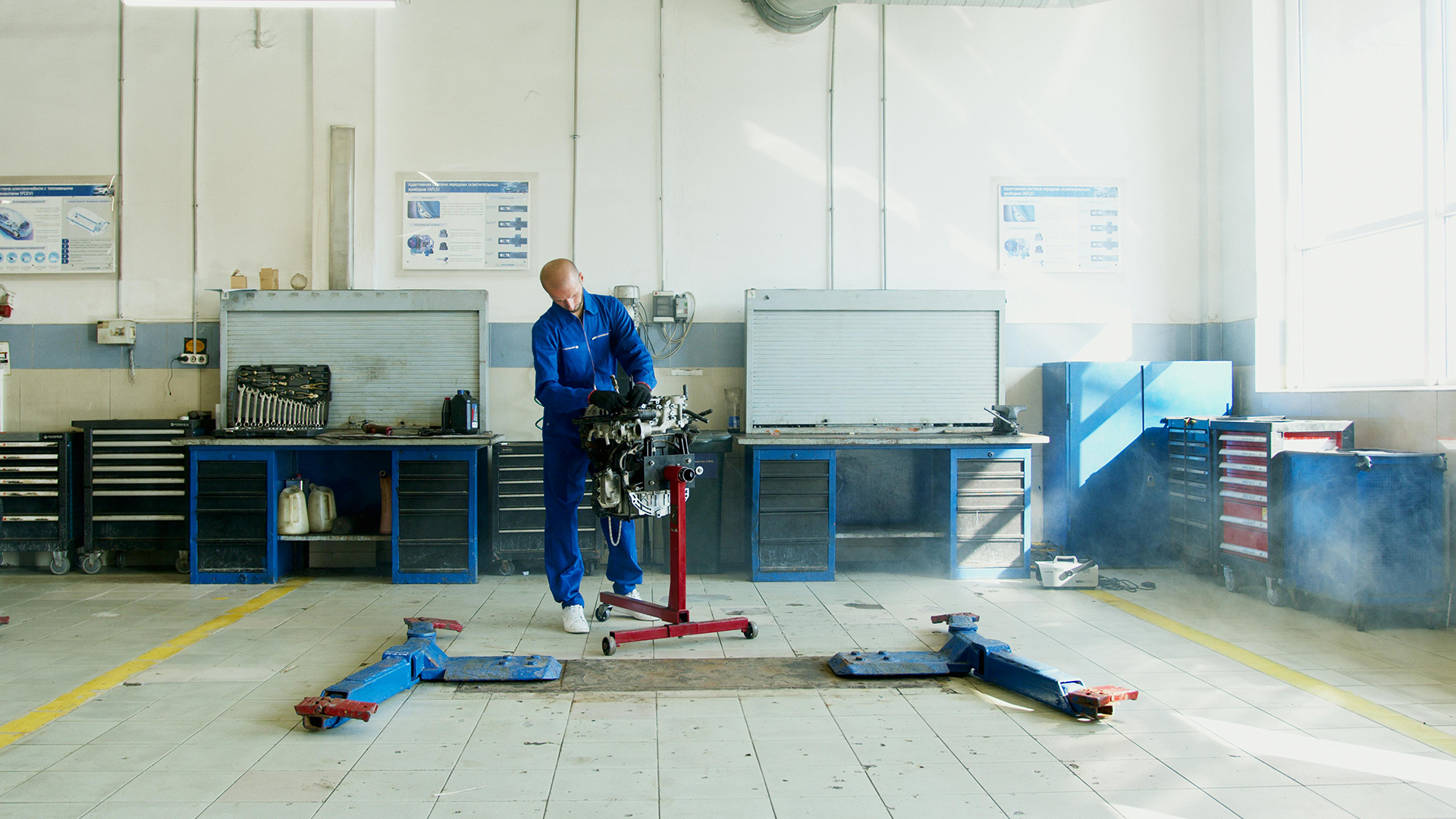
To maintain efficient warehouse and material handling operations, industrial trucks must be reliable, safe, and consistently available. At JAC Forklift USA, we design our service and support approach around uptime, compliance, and long-term operational performance. Our trained service professionals provide maintenance and repair services in accordance with manufacturer guidelines and applicable U.S. safety standards, including OSHA and ANSI requirements. By following recommended service intervals and inspection procedures, we help ensure that forklifts and warehouse equipment operate safely and reliably in day-to-day use.
Besides the best possible truck and fleet availability, companies can also rest assured that they are on the safe side when it comes to occupational health and safety. Regular servicing also reduces the operating costs and increases the resale value of industrial trucks. JAC offers perfectly tailored service packages to suit specific customer requirements, from one-off repairs through to full service contracts.
Routine servicing is not only critical for productivity, but also for workplace safety and regulatory compliance. Proper maintenance helps reduce unplanned downtime, lowers operating costs, and supports compliance with occupational health and safety expectations. In addition, well-maintained equipment typically delivers longer service life and stronger resale value. JAC Forklift USA offers flexible service solutions tailored to customer needs, ranging from on-demand repairs to structured service and maintenance programs. With a growing service network across North America and responsive support capabilities, JAC Forklift USA is committed to staying close to our customers. Our focus is to keep your forklifts and material handling equipment safe, compliant, productive, and cost-effective, helping your operation meet today’s standards while building a sustainable path forward.1
Repair Service

Rapid Support for Damage, Wear, and Changing Conditions
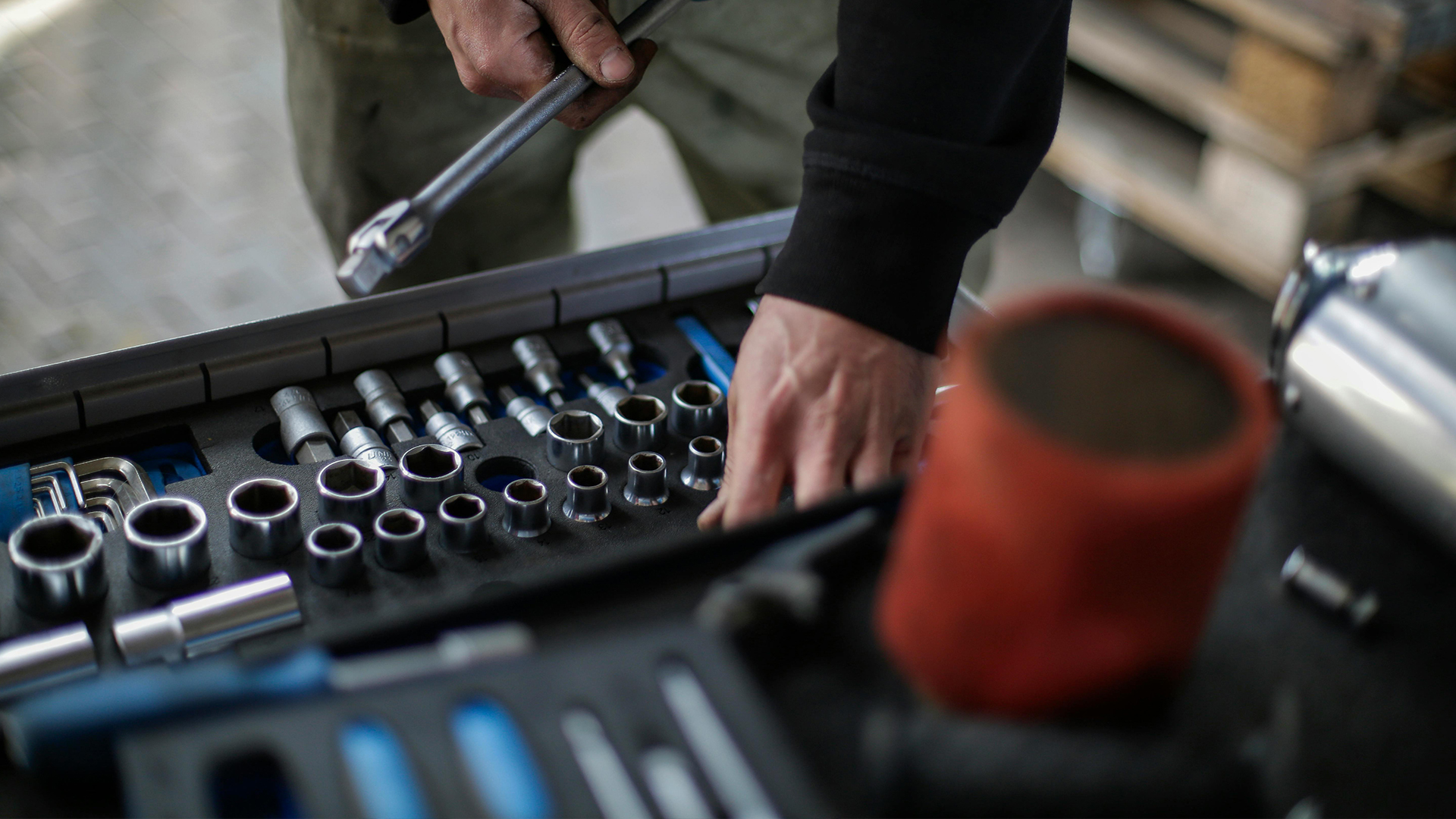
Industrial trucks often operate in demanding environments and multi-shift applications. Conditions such as cold storage, high-dust warehouses, outdoor yards, and continuous use can accelerate wear and increase service needs. Accidental damage or unexpected issues may also occur during daily operations. JAC Forklift USA supports dealers and customers with responsive after-sales service when equipment damage or wear arises. Our service approach focuses on fast response, efficient repair, and the use of manufacturer-approved parts. This helps restore equipment uptime quickly and reduces operational disruption. With an expanding service and parts support network in North America, JAC Forklift USA is committed to helping dealers keep customer equipment productive, safe, and operational.
Equipment Modifications and Retrofit Support
Logistics operations evolve over time. Changes in workflow, facility layout, safety requirements, or operating standards may require equipment adjustments beyond routine maintenance. In many cases, minor modifications or retrofits—such as attachments, safety features, or functional upgrades—can meet new operational needs without replacing the forklift. JAC Forklift USA works with its dealer network to support approved modifications and retrofit solutions based on manufacturer guidelines and application requirements. This flexible after-sales support allows dealers to offer practical solutions, extend equipment service life, and strengthen long-term customer relationships.2
Regular Servicing
Preventive Maintenance to Reduce Failures and Repair Costs
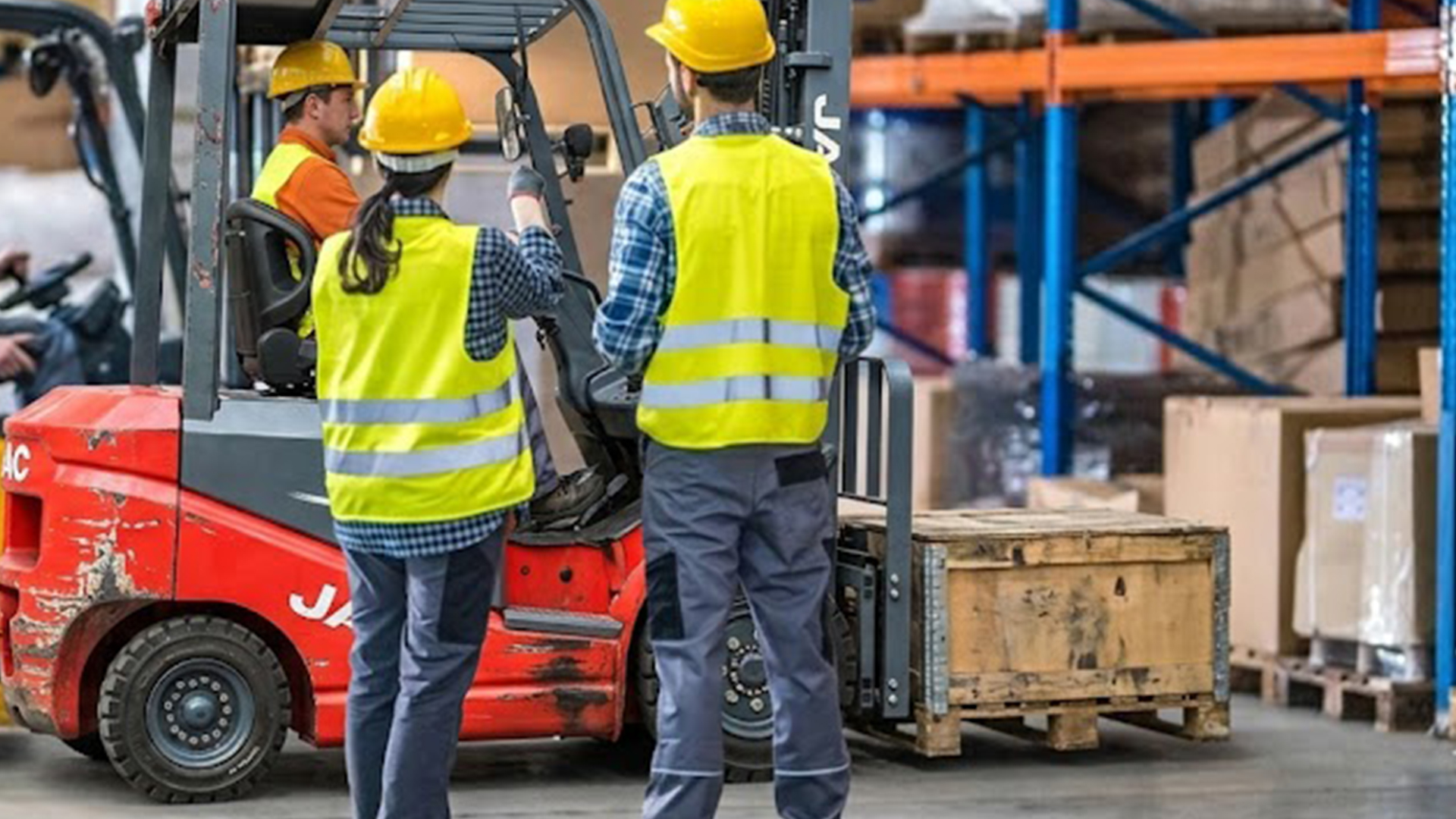
Industrial trucks are designed for continuous operation, but normal wear is unavoidable over time. Most repairs are not caused by accidents, but by gradual wear from daily use. Regular preventive servicing helps detect early signs of wear before they become major issues. This approach reduces unexpected failures, avoids costly repairs, and supports long-term equipment reliability.
Service Intervals Aligned with Manufacturer Standards
Routine inspections include checking for leaks, evaluating brake and steering systems, and replacing hydraulic fluids when required. Service intervals are defined by manufacturer specifications and adjusted based on operating intensity and application conditions. JAC Forklift USA supports structured service planning so that maintenance schedules can be coordinated with required safety inspections and compliance checks. This helps dealers and customers meet operational and regulatory requirements efficiently and with minimal disruption.
Advanced Diagnostics for Efficient Equipment Monitoring
Modern diagnostic tools allow forklifts and material handling equipment to be analyzed quickly and accurately. These tools help identify performance issues, electronic faults, and early signs of component wear.
In addition to routine maintenance, diagnostic data supports preventive recommendations that help avoid unplanned downtime and emergency repairs. Regular servicing supported by diagnostics ensures forklifts remain operational, reliable, and cost-effective throughout their service life.3
Full Service
Comprehensive Coverage to Reduce Operational Risk
For customers seeking maximum uptime with minimal involvement in day-to-day servicing, JAC Forklift USA Full Service Programs provide a clear and reliable solution. These programs consolidate maintenance planning, service coordination, on-site repairs, and service documentation into one structured framework. Under a full service arrangement, routine maintenance, repairs, replacement parts, and required safety-related service activities are managed according to manufacturer guidelines. This reduces the risk of unexpected failures and allows customers to focus on their core operations while maintaining consistent equipment availability.
Flexible Programs Tailored to Customer Needs
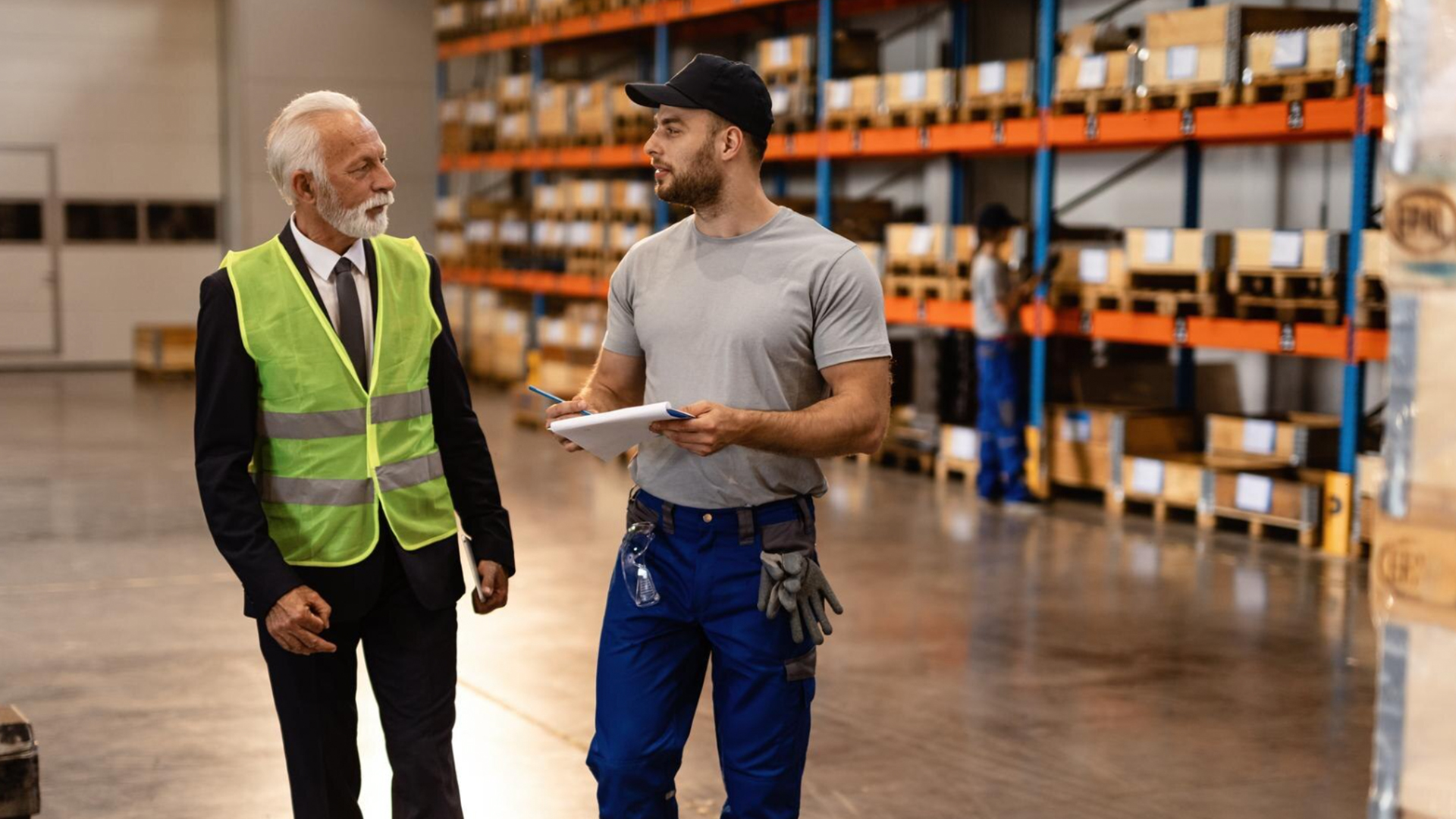
Operational requirements vary by application, fleet size, and usage intensity. JAC Forklift USA offers flexible service program options that can be tailored to specific customer needs. Available configurations may include defined response times, planned maintenance schedules, and dedicated service support for larger or higher-duty fleets. These service programs are designed to support both small and large fleets. By standardizing service processes and controlling maintenance costs, dealers and customers can achieve predictable operating expenses and long-term equipment reliability.
Planned Service to Minimize Downtime
Proactive service planning plays a critical role in reducing total cost of ownership. Regular maintenance helps prevent major failures, while structured scheduling allows service activities to be coordinated efficiently with operational demands. When repairs are required, service planning helps minimize downtime by grouping tasks logically and avoiding unnecessary interruptions. Maintenance activities can also be aligned with required safety inspections and compliance checks, helping customers meet regulatory expectations while maintaining productivity.4
Benefits of Manufacturer-Recommended Maintenance
- Improved equipment availability and operational efficiency
- Early identification of wear and potential issues
- Reduced safety risks through regular inspection and servicing
- Fewer unexpected repairs and reduced secondary damage
- Predictable and transparent maintenance costs
- Support for warranty compliance through proper servicing
- Alignment with applicable safety and regulatory requirements
- Clear and reliable service records and documentation
- Improved long-term value and resale potential of equipment
Pre-Operation Equipment Checks
Every forklift operator plays an important role in maintaining safe and efficient operations. Performing basic checks before starting work helps reduce safety risks, prevents unnecessary wear, and supports reliable equipment performance. Pre-operation inspections help ensure forklifts are in proper working condition and ready for daily use. These checks support workplace safety, improve operational efficiency, and contribute to longer equipment service life. Below is an overview of common pre-operation checks for electric forklifts and internal combustion (IC) trucks.
-
Chassis, Body and Operator Controls — Pre-Operation Checks
-
Engine / Fuel Systems (IC Trucks)
-
Battery and Charging System (Electric Trucks)
-
Hydraulics & Fluids
-
Electrical Systems
Chassis, Body and Operator Controls — Pre-Operation Checks
- Verify that the steering column adjustment mechanism is secure and properly locked
- Inspect the operator seat and seat belt for secure fastening, excessive wear, or damage
- Inspect tires and rims for tread condition, visible damage, and proper inflation
- Check drive and steering functions for smooth operation and proper response
- Test both the service brake and the parking brake for correct operation
- Check the windshield washer fluid level and refill if necessary
Engine / Fuel Systems (IC Trucks)
- Diesel: Check fuel level and ensure the tank is not overfilled
- LPG: Check the fill level of the LPG tank and confirm the tank is correctly positioned and secured
- LPG: Perform a visual inspection and check for unusual odors around the LPG system
- Check engine oil level; use caution when the engine is hot
- Check coolant level; never open the cooling system when hot
- Inspect the truck for visible fluid leaks
Battery and Charging System (Electric Trucks)
- Check the battery state of charge before operation
- Check electrolyte level and top up with distilled water if required (where applicable)
- Ensure battery terminals are clean, properly tightened, and protected
- Check battery and charger connections for secure and proper connection
Hydraulics & Fluids
- Check the oil level in the hydraulic system
- Check the truck for leaks (visual control), e.g., transmission, steering, working hydraulics
Electrical Systems
- Check all electrical functions, including lights, warning beacons, alarms, and windshield wipers
- For trucks equipped with LSP (Load Selection / Load System Programming), confirm the correct attachment or load setting is selected before operation [14.6] Load Handling and Lift System
- Inspect fork arms and fork latches to ensure they are properly installed, secure, and free from visible damage
- Verify that all attachments are functioning correctly and are used in accordance with the manufacturer’s operating instructions

Electronic Pre-Operation Inspection
Digital tools can simplify and standardize daily safety checks. JAC Forklift USA supports electronic pre-operation inspections that allow operators to complete required checks using a smartphone or tablet. Instead of paper forms, operators can review inspection items digitally and confirm equipment status before use. Only after the inspection is successfully completed should the forklift or warehouse equipment be placed into operation. This process helps improve consistency, accountability, and overall safety performance. Electronic pre-operation inspections support safer workplaces, reduce operational risk, and help ensure equipment is ready for daily use.5
-
1 Legal Disclaimer
Service recommendations, maintenance intervals, and compliance references provided by JAC Forklift USA are based on manufacturer guidelines and general industry standards. Actual service requirements may vary based on equipment usage, operating environment, and local regulations. Dealers and end users remain responsible for ensuring compliance with all applicable federal, state, and local laws, including OSHA and ANSI requirements. This content is provided for informational purposes only and does not constitute legal or regulatory advice.
-
2 Compliance & Disclaimer
After-sales services, retrofit solutions, and maintenance recommendations provided by JAC Forklift USA are based on manufacturer guidelines and general industry practices. Actual requirements may vary depending on application, usage conditions, and local regulations. Dealers and end users are responsible for compliance with all applicable federal, state, and local laws, including OSHA and ANSI standards. This information is provided for general reference only and does not constitute legal or regulatory advice.
-
3 Compliance & Disclaimer
Service recommendations, inspection items, and maintenance intervals referenced by JAC Forklift USA are based on manufacturer guidelines and general industry practices. Actual requirements may vary depending on application, operating conditions, and local regulations. Dealers and end users are responsible for compliance with all applicable federal, state, and local laws, including OSHA and ANSI standards. This information is provided for general reference only and does not constitute legal or regulatory advice.
-
4 Compliance & Disclaimer
Full service programs, maintenance activities, and service intervals described by JAC Forklift USA are based on manufacturer recommendations and general industry practices. Actual service requirements may vary depending on equipment usage, operating conditions, and applicable regulations. Dealers and end users are responsible for compliance with all federal, state, and local laws, including OSHA and ANSI standards. This content is provided for informational purposes only and does not constitute legal or regulatory advice.
-
5 Compliance & Disclaimer
Pre-operation inspection procedures and electronic inspection tools referenced by JAC Forklift USA are provided as operational guidance based on manufacturer recommendations and general industry practices. Actual inspection requirements may vary depending on equipment type, application, and applicable regulations. Employers and operators are responsible for compliance with all federal, state, and local laws, including OSHA and ANSI standards.